What a Clear Night Leaves on the Grass
Frost needs a cloudless sky more than a cold one, and it lasts longest where the morning sun has not yet reached.
Frost can form on a night when the forecast says 3°C. That figure comes from a thermometer about 1.5 metres above the ground, while on a clear, still night grass and car roofs radiate their heat straight out to the sky and can end up several degrees colder than the air above them. A layer of cloud stops most of this loss, which is why an overcast night with the same forecast leaves the lawn merely wet. A car under a carport often stays clear for the same reason.
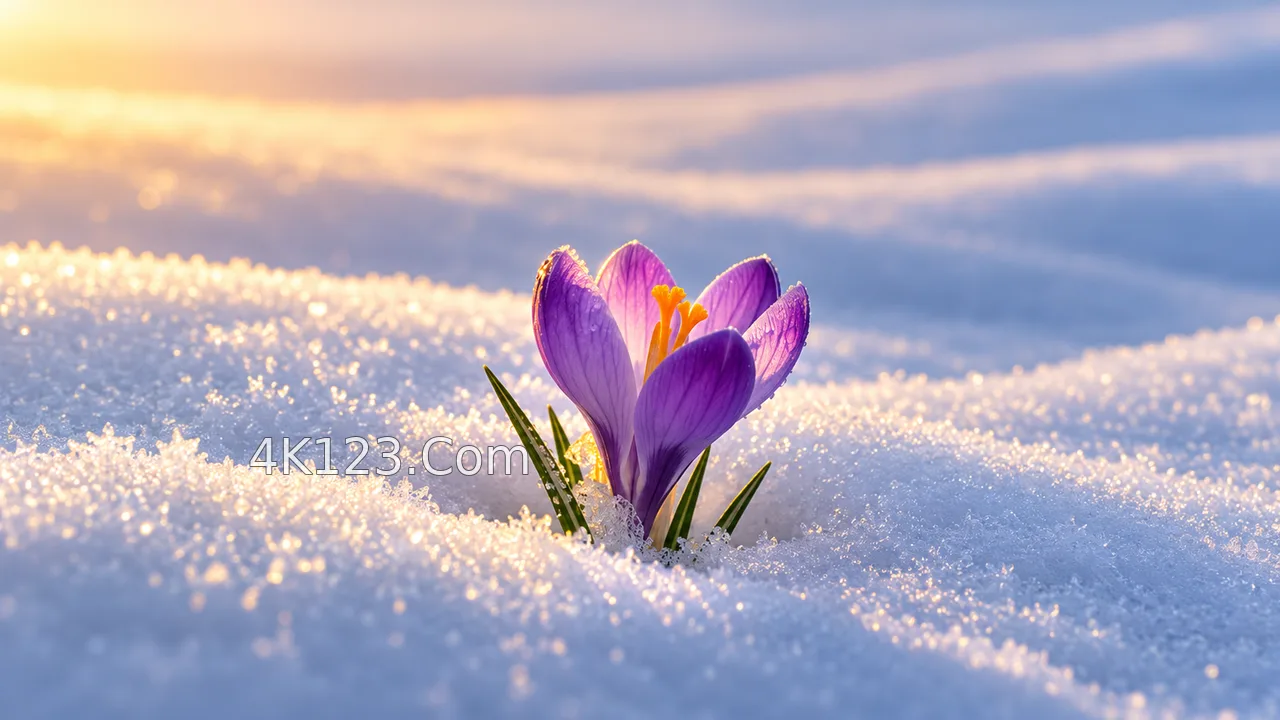
True hoar frost is not frozen dew. Water vapour turns directly to ice on the cold surface, with no liquid stage, and it builds outward from edges and tips, where the vapour arrives first. A blade of grass gets a white fringe along its margin, and a leaf gets an outline before its middle fills in. Crystal shape shifts with temperature: thin plates near −2°C, needles and columns around −5°C, plates and branching forms again near −15°C. Under a macro lens, two frosts a week apart can look like different materials.
Sunrise removes it in a particular order. Open ground goes first, while the shade of each tree and fence keeps a white strip on the grass, and because the shadow keeps moving, the strip narrows to the part that has been shaded the whole time. Frost is also hard work for an image file: thousands of fine white edges on a darker ground are the first thing compression smudges. At desk distance those crystals settle into a soft grey-white texture, quiet enough for a row of icons to sit on.

In this collection