The Wallpaper Journal
Quiet notes on light, landscape and colour — and the wallpapers they became.
 Hot Spring Steam: Where Warm Water Meets Cold AirThe white clouds over a winter hot spring are not vapour at all but tiny droplets, and their thickness is a rough thermometer for the air.
 Bioluminescent Waves: The Blue That Lives in the SurfOn a few dark nights a year, breaking waves light up from the inside, and the light comes from single-celled plankton reacting to being shaken.
 PhoneA Photo on the Wrist: Choosing a Smartwatch WallpaperA watch screen is a few hundred pixels wide and mostly covered by the time, so the picture that works there is rarely the one that works on a phone.

 Earthshine: why the dark part of a crescent moon still showsA few evenings after new moon, the unlit disc glows faintly grey beside the bright sliver, lit by sunlight that bounced off Earth first.
 Cat's paws: where the wind touches still waterOn a calm lake a gust shows up as a dark patch that drifts across the surface, and sailors have long had a name for it.
 PhoneFoldable phones: one wallpaper, two very different screensA book-style foldable carries a tall narrow cover screen and a nearly square inner one, and the same picture lands differently on each.

 PhoneLock Screen and Home Screen: One Image or TwoThe same phone shows its wallpaper in two very different situations, and one picture rarely suits both.

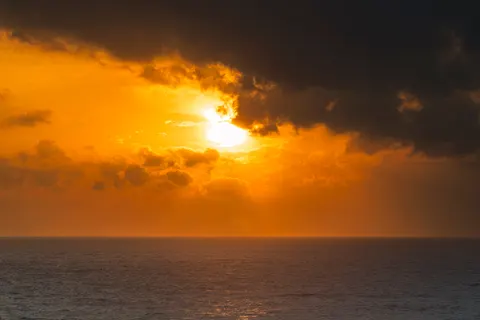 Lenticular Clouds: The Cloud That Stays PutWind runs through it at sixty kilometres an hour, and the shape does not move.
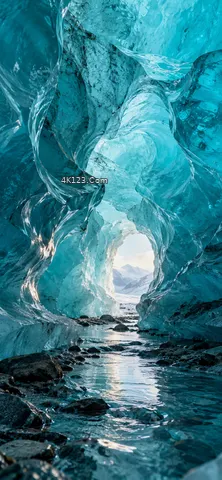
 Glacier Ice: Why Old Ice Turns BlueSnow is white, a glacier's cracks are blue, and the difference is decades of pressure and a few metres of light.
 PhoneWhy a Phone Wallpaper Looks Zoomed InThe few percent of picture a phone quietly crops away so the background can drift when you tilt it.


 Lightning: The Branch a Camera Has to Wait ForA flash too quick to aim at, caught by leaving the shutter open and letting the storm choose the moment.
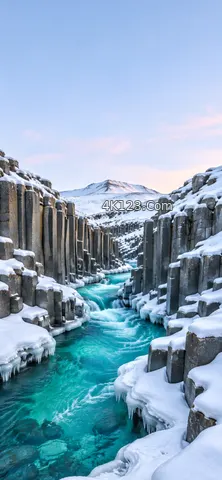
 Basalt Columns: Why Cooling Rock Cracks into HexagonsA thick sheet of lava shrinks as it cools, and the cracks it leaves behind keep settling on six sides.
 PhoneDepth Effect: When the Subject Steps in Front of the ClockWhy some lock screen pictures let a mountain or a head rise over the time, and others quietly refuse.

 Icicles: Water Stopped on the Way DownAn icicle needs two temperatures at once, sun above freezing on the roof and air below it under the eaves, and its shape records the hours in between.
 PhoneAlways-On Display: What a Wallpaper Looks Like at 1 HzWhen a phone goes to sleep but keeps its screen on, the wallpaper is redrawn once a second at a fraction of its brightness, and only some images survive the change.


 What a Clear Night Leaves on the GrassFrost needs a cloudless sky more than a cold one, and it lasts longest where the morning sun has not yet reached.
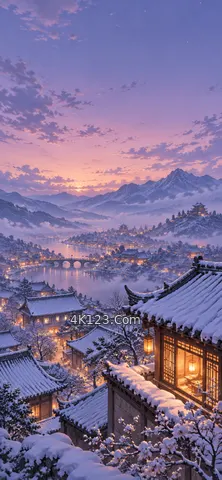 PhonePhone Wallpaper Size: Reading the NumbersMost phones now sit near 19.5:9, and one tall file covers more of them than the spec sheets suggest.

 PhoneThe Tall Frame: What a Phone Screen KeepsA phone held upright is about twice as tall as it is wide, and that proportion quietly decides what a wallpaper can show.


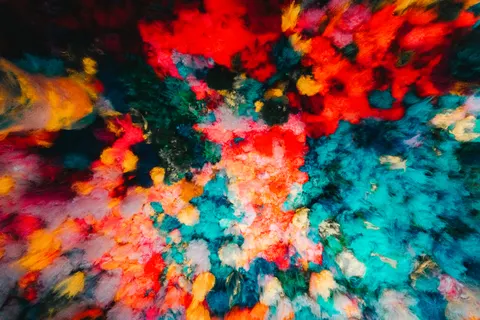 sRGB and P3: Why a Wallpaper Can Look Too VividWide-gamut screens can show more saturated colour, and that is exactly where things go wrong when an image never says which colours it meant.
 Where the Horizon Sits in the FrameMove the line a little up or down and the same sea becomes a picture about sky or a picture about water.
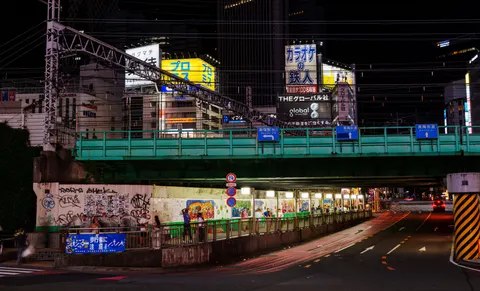 Puddles: The City Printed Upside DownA few millimetres of rainwater is enough to hold a whole street, as long as you look at it from low enough.
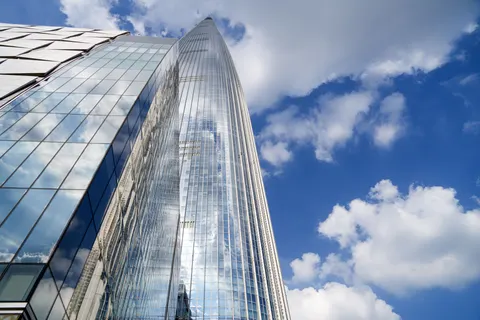 Setbacks: why old towers step back as they riseThe wedding-cake skyline of New York was not a style at first; it was a rule about sunlight, drawn as a slope.
 Belt of Venus: the pink band on the other side of the skyJust after sunset, the best colour is often behind you, in a soft stripe over the eastern horizon.
 Finding the original: reverse image search for wallpapersA wallpaper that has travelled through five reposts is rarely the file it started as, and tracing it back usually takes a minute.
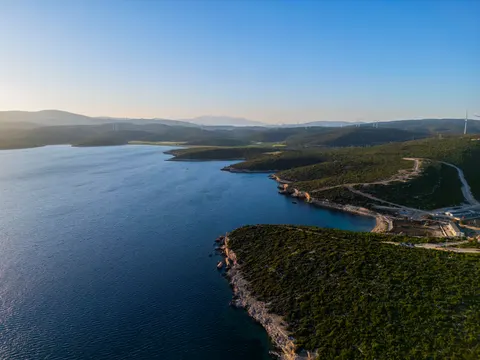 Estuaries: Where a River Meets the SeaAt the mouth of a river, fresh water and salt water share the same channel for a while, and from the air you can often tell which is which.
 Switchbacks: Roads That Fold UphillA mountain road climbs by refusing to go straight, and from above its turns read like a line drawn by someone who kept changing direction.
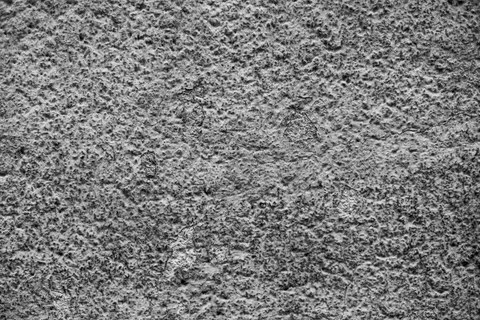 Moiré: When a Wallpaper Starts to ShimmerFine stripes, fabric and window grids can turn into wavy bands once a large image is shrunk to fit a screen. The cause is arithmetic, and so is most of the fix.
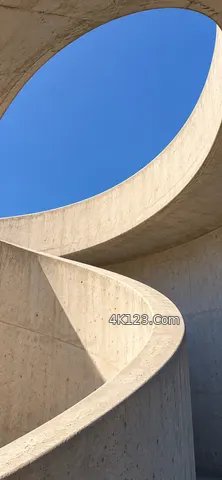
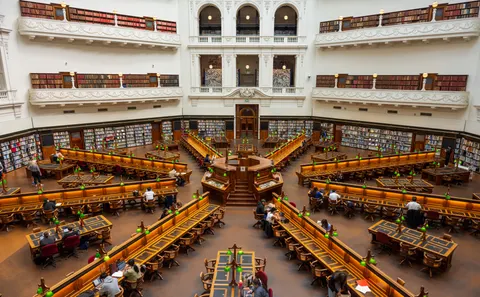 Arches: How Stone Holds an OpeningStone breaks easily when bent and almost never when squeezed, and the arch is the shape that keeps it squeezed.
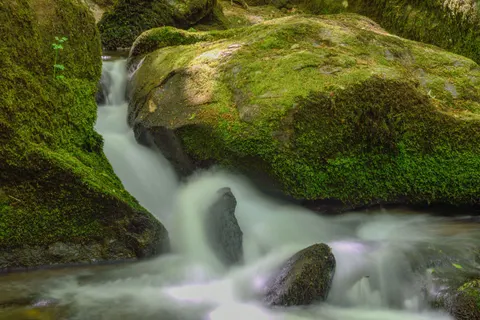 The Weather a Waterfall MakesStand near the base of a large fall and you are inside a small climate of its own, with its own wind, rain and rainbow.
 A Wallpaper Behind Your Head: Choosing a Video-Call BackgroundThe picture that sits quietly behind icons has a harder job on a call, where software has to cut you out of it about thirty times a second.
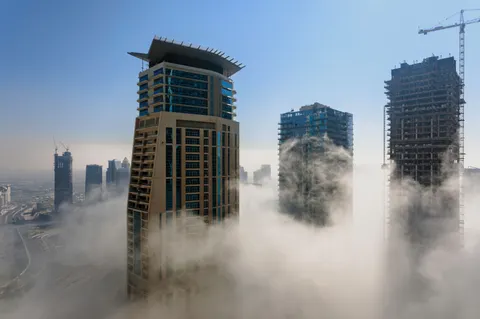 Towers in Low Cloud: When the Top Floors Go MissingOn some mornings the skyline stops at a fixed height, as if a level line had been ruled across the city.
 Meanders: Rivers That Cannot Hold a Straight LineFrom above, a lowland river folds back on itself again and again, and each bend records where the water pushed hardest.
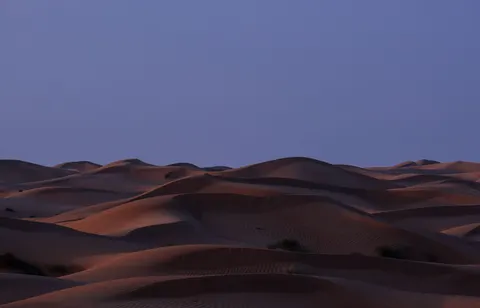 Your Own Photo as Wallpaper: What to Check Before You Set ItA phone picture that looks fine in the gallery can come apart at desktop size, and a few quiet checks usually tell you in advance.
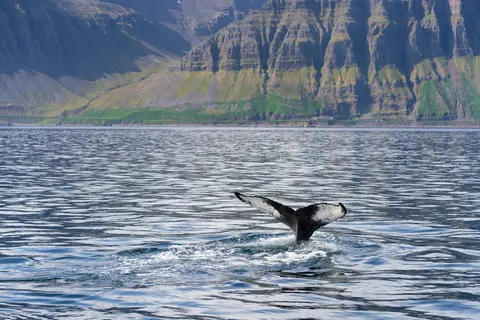 Underwater, Red Is the First Color to LeaveEach metre of water takes a slice of the spectrum, and the sea turns blue not by adding anything but by subtracting.
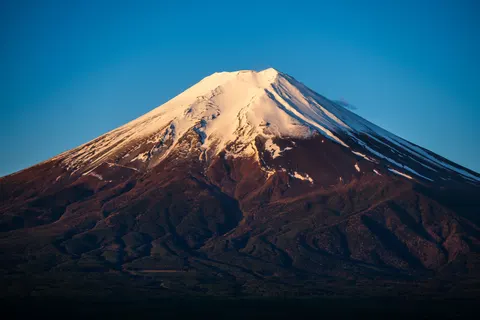 The Snow Line: Where a Mountain Changes ColorHalfway up, the rock gives way to white along a line that no one drew and everyone can see.
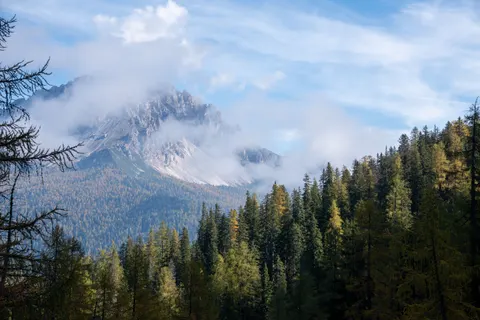 Is This Wallpaper AI-Generated? What to Look ForA few quiet checks that separate a photograph from a picture that was never in front of a lens.
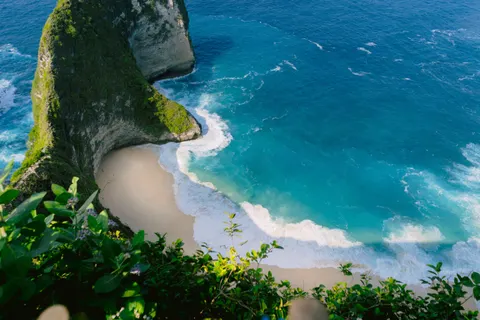 Sand Colour: Reading a Beach by Its SourceWhite, black, green and pink beaches are not tinted by the light or the sea; each colour is a record of what broke down to make the sand.
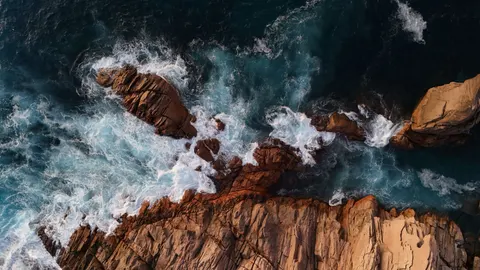 Boat Wakes: The Angle the Water KeepsSeen from above, a boat leaves a V behind it, and for most boats on deep water that V opens to nearly the same angle whatever the speed.
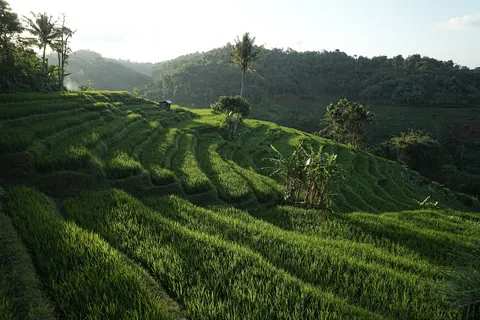 A Wallpaper for a Tablet That TurnsA phone stays upright and a monitor stays wide, but a tablet changes its mind several times an hour, and the picture behind the icons has to survive every turn.
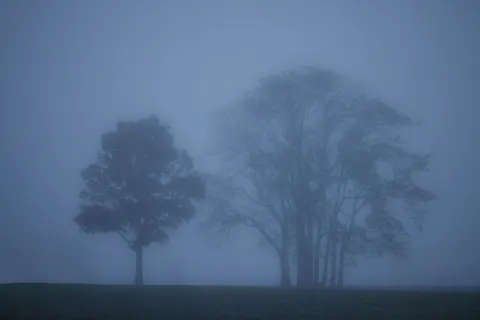
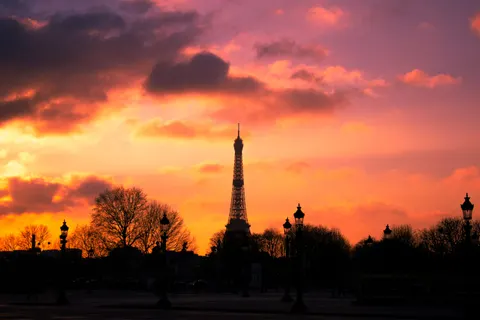 At Night the Eye Stops Reading ColourReds leave first, blues hold on, and the photograph keeps hues the hour never handed out.
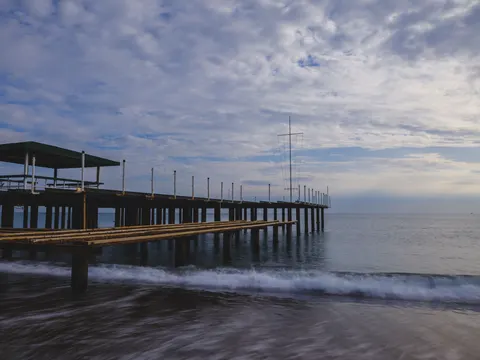 The Horizon Is Closer Than It LooksStanding on a beach, the edge of the sea is about five kilometres out, and it keeps that distance however far you walk.
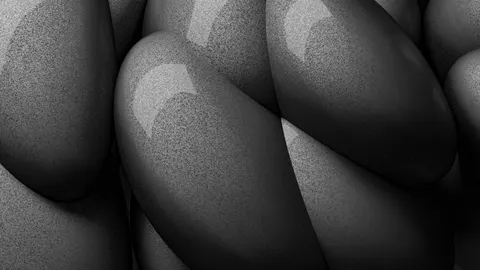 One Flat Colour, and the Screen Becomes the SubjectFill the display with white, then with black, and the panel can no longer hide behind the picture.
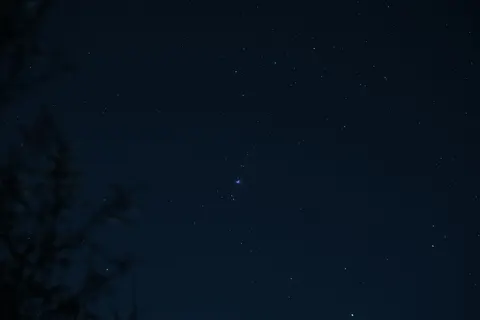 Star trails: a photograph of the sky turningFifteen degrees an hour, written down as arcs.
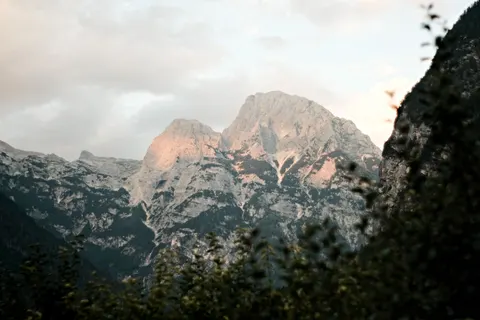 Sun stars and flare: pointing the lens at the lightThe spikes around a low sun are not in the sky; they are the shape of the aperture.
 Wallpaper on a TV or a projectorThe same file, spread across two metres of wall, stops being the same picture.
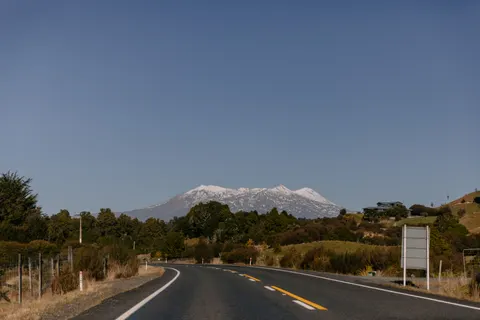 Snow Plumes: The Streak a Summit TrailsThe white streak drawn sideways from a high peak on a clear day is wind made visible, and climbers watch it as closely as the forecast.
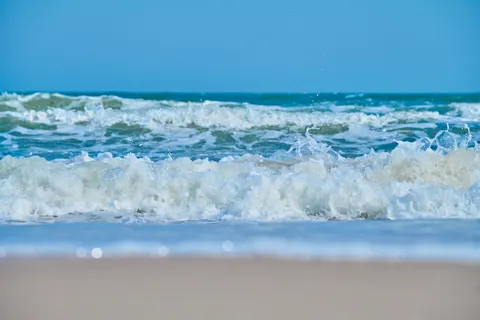 Swash Lines: Where Each Wave StoppedThe thin curved lines on a sloping beach each record the exact point where one wave ran out of energy.
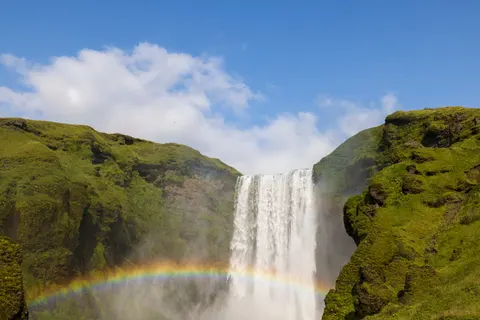 A Wallpaper for the Monitor Turned on Its SideA rotated screen keeps only a narrow strip of a landscape photo, so the picture has to be chosen for its height rather than its width.