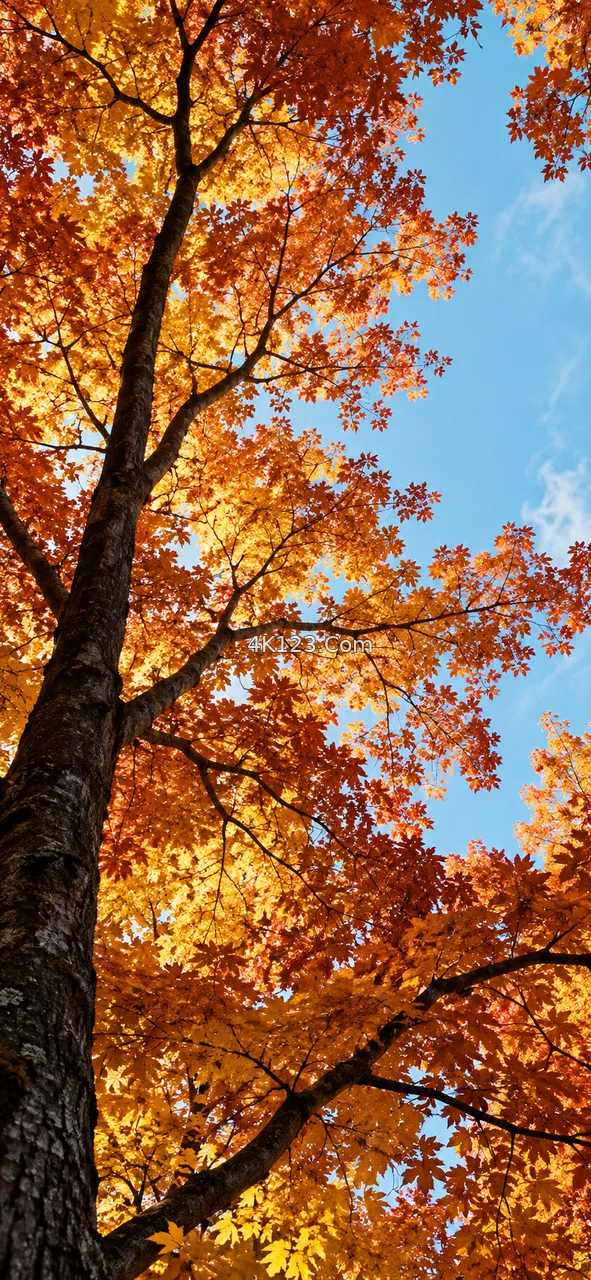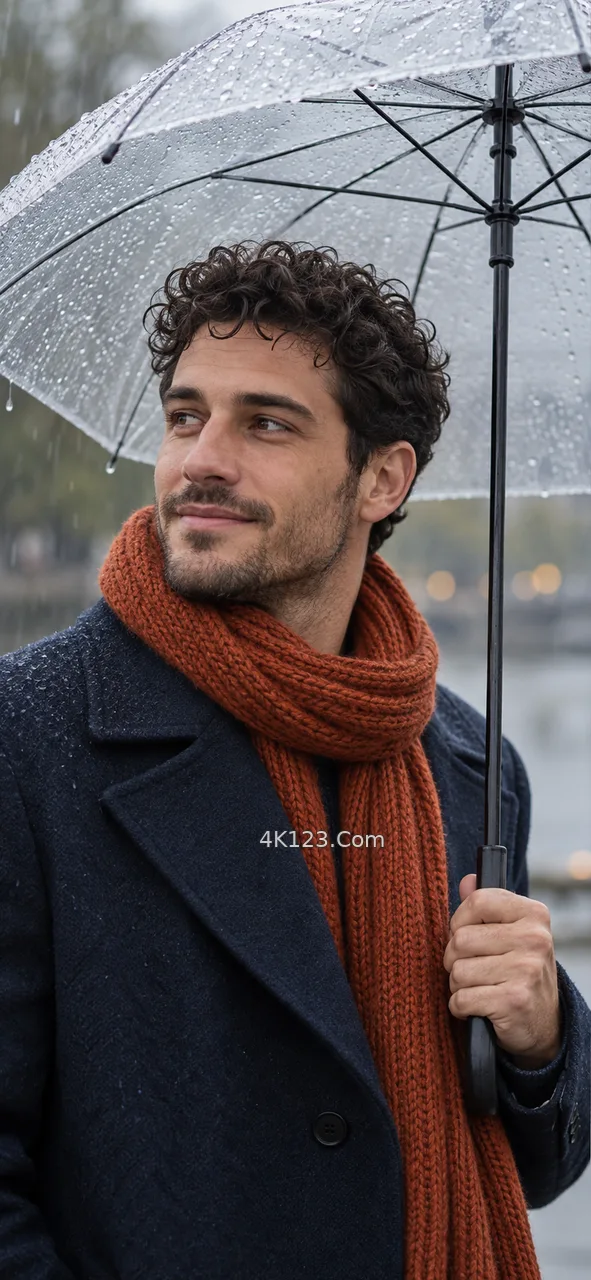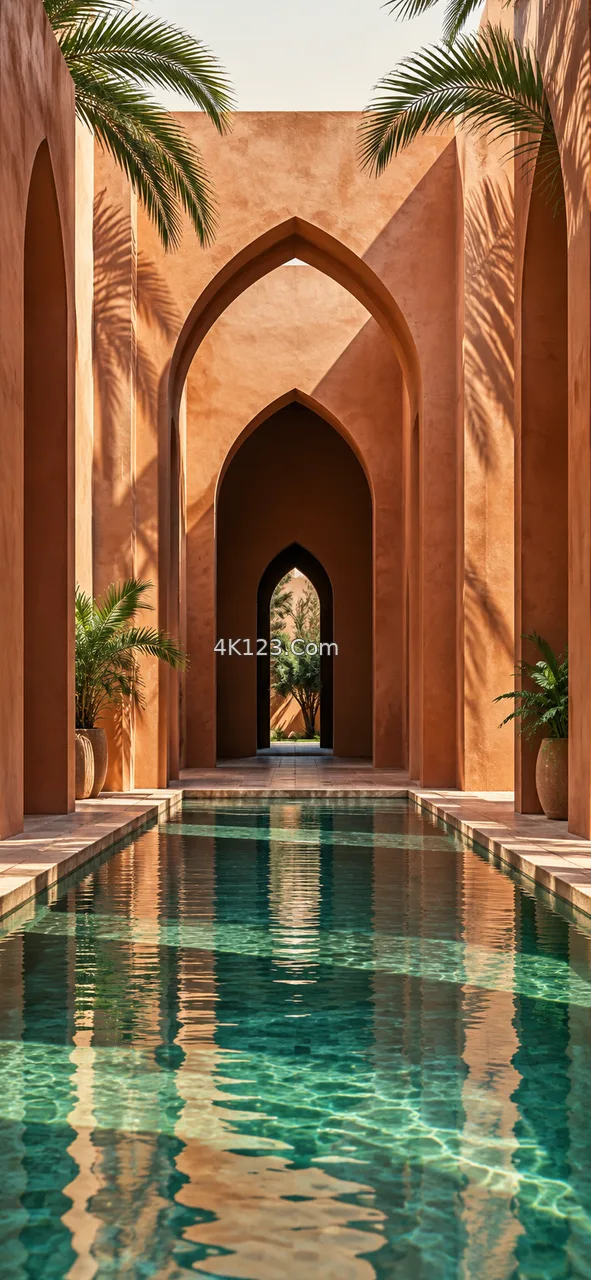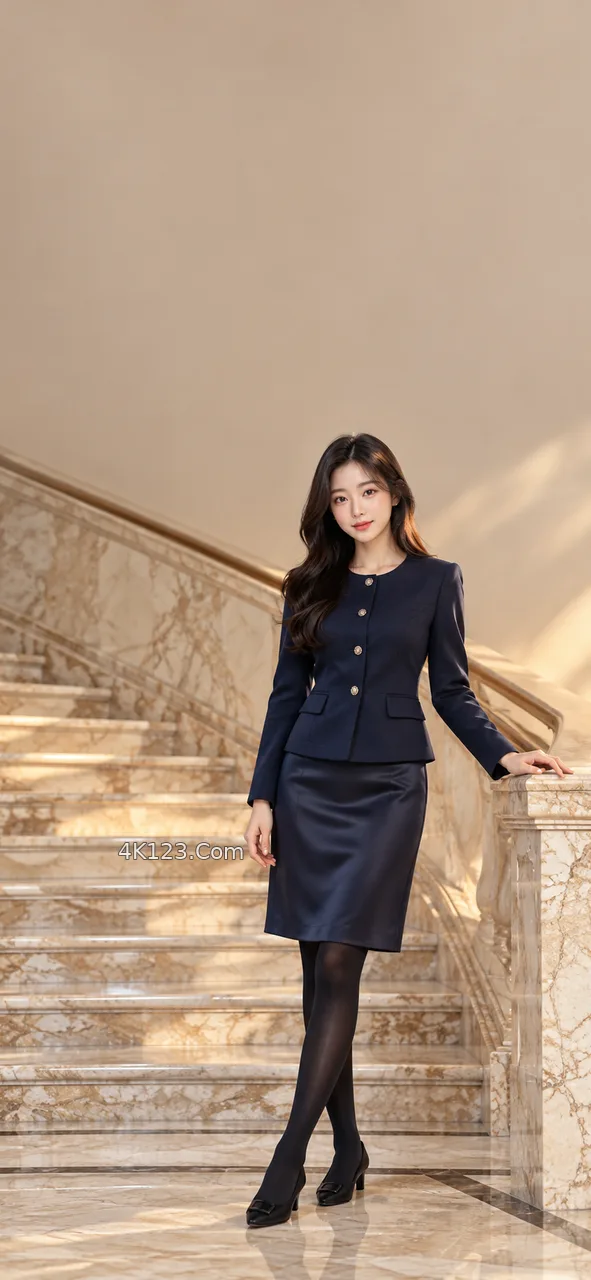
Most smartwatch screens measure somewhere between 400 and 500 pixels on a side, and the frame is either a rounded rectangle or a full circle. A tall phone wallpaper dropped onto that space loses roughly half its height, and on a round face the four corners disappear as well. What survives is the middle band of the image, which is why a photo with its subject near the vertical centre tends to hold up better than one where the interest sits along the top or the edges.
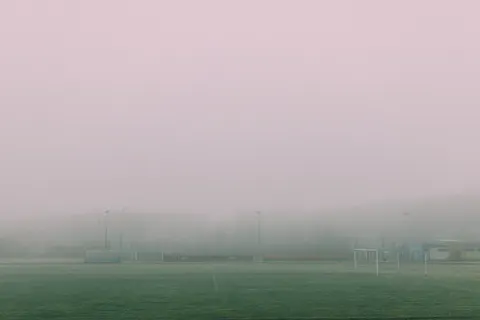
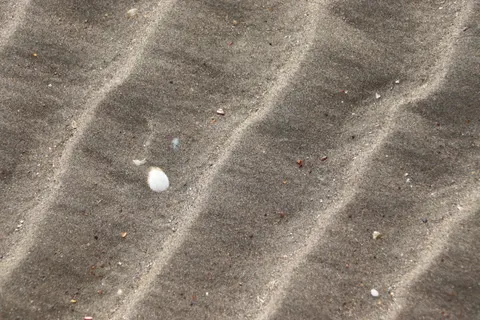
The time takes up more of a watch face than the clock does on any lock screen, often a third of the area, with complications tucked around it for weather, steps or the date. Large white numerals need something quieter behind them: a dark sky, a stretch of water, a blurred field of leaves. Fine detail is mostly wasted at this size anyway, since the eye reads a watch from about forty centimetres away for a second or two, and broad shapes with one clear tone survive that glance better than texture does.
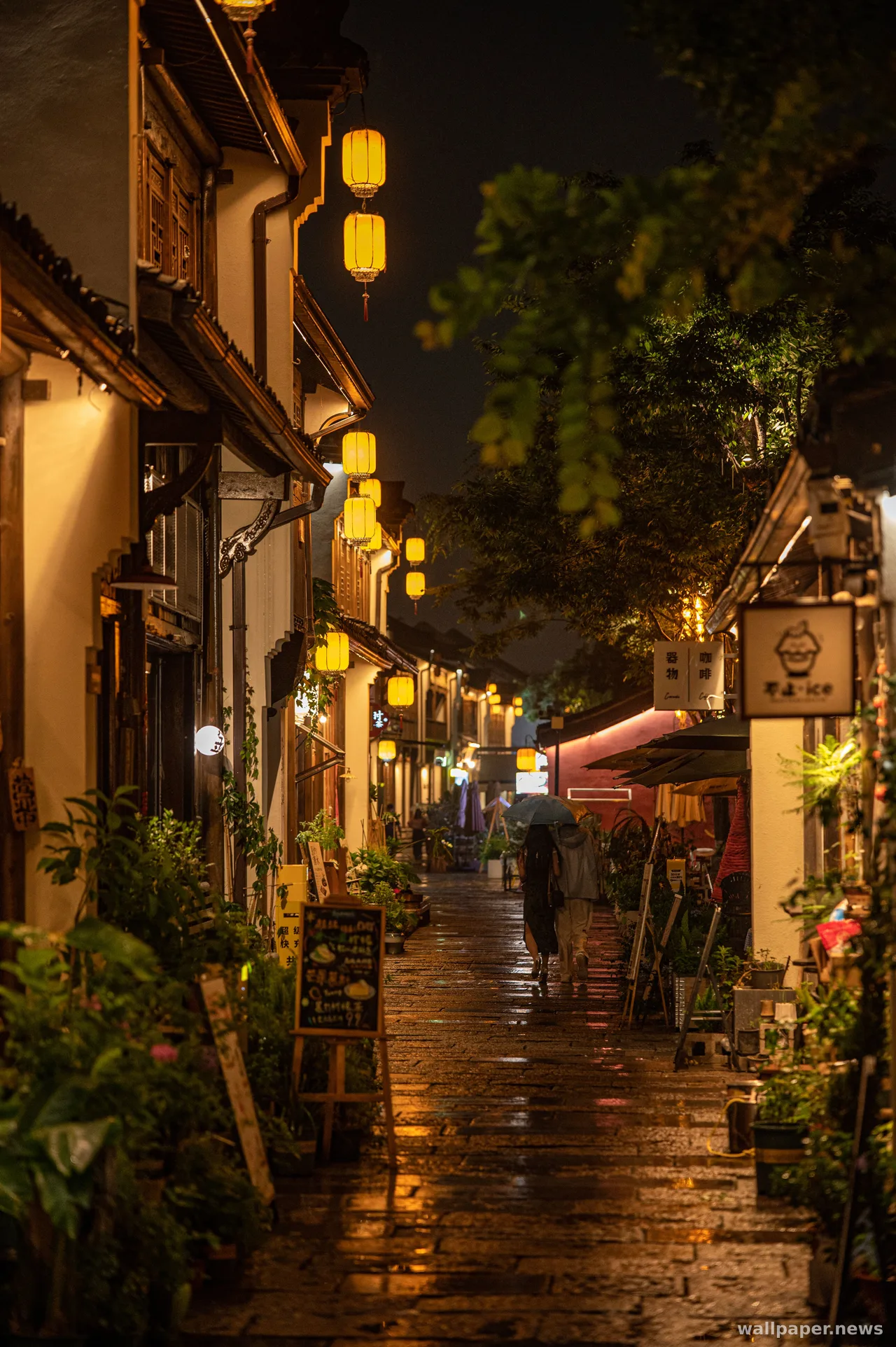
Many watches use OLED panels and dim the screen when the wrist drops, so a mostly dark image costs less power and looks calmer in the always-on state, when only outlines remain. It helps to check the photo both ways, raised and lowered, before keeping it. A tall frame cut down to a small window on the wrist ends up showing only its centre, and that is usually the part worth carrying around all day.