In old quarters built before cars, many lanes are barely wider than a pair of open arms, while the houses on either side rise three or four storeys. Stand at the bottom and the sky shrinks to a pale ribbon, often bent where the walls lean or the lane turns. Daylight reaches the ground mostly by bouncing off plaster, so the floor of an alley is lit softly from the sides rather than from above.
That bounced light carries the colour of whatever it touched. Ochre walls warm the shadows, whitewashed ones cool them, and laundry or plants strung between windows add small blocks of colour that break the ribbon of sky into pieces. Around noon a thin slice of direct sun may fall straight down for a few minutes, a bright stripe on the paving that slides across and is gone before the hour turns.
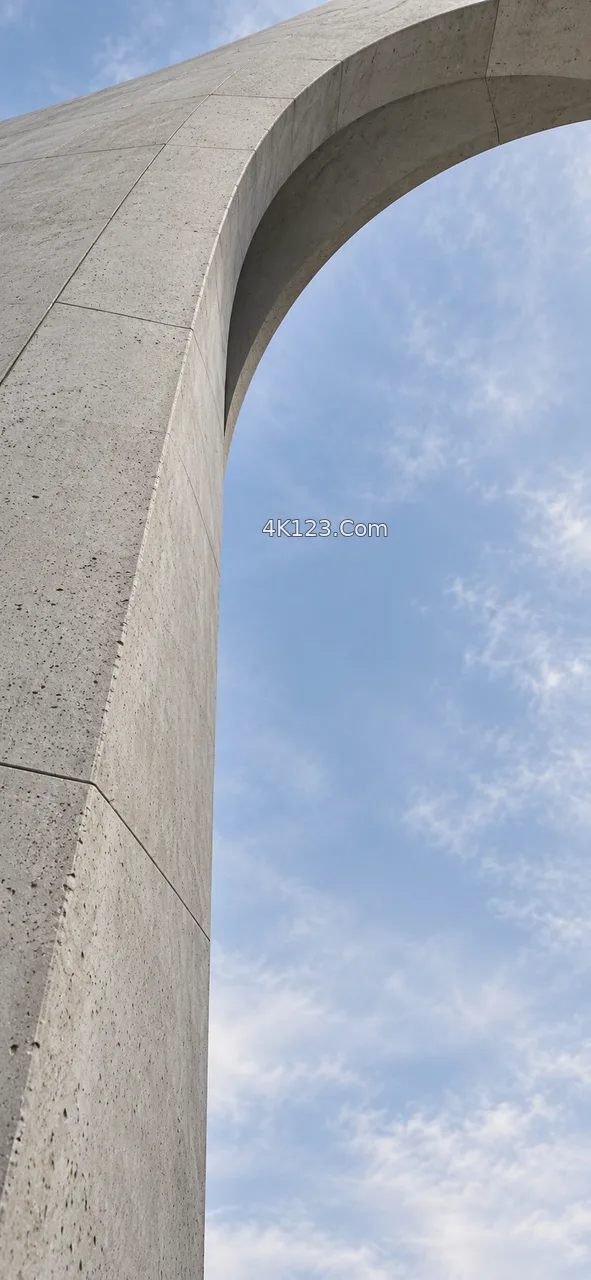
A vertical frame suits these places because it keeps both the stone underfoot and the slot of sky in the same picture, which is how the lane actually feels to walk through. On a phone the composition does something useful too: the darker walls hold the edges, and the light gathers in a narrow band down the middle, leaving the sides quiet for whatever the screen puts there.