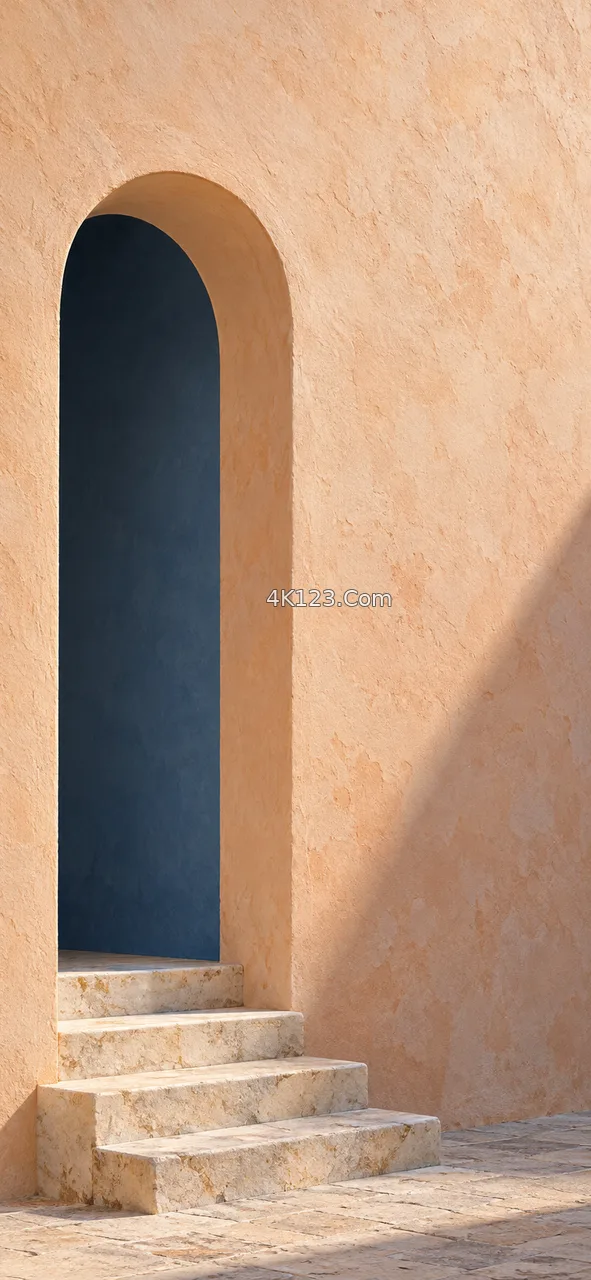
Most phones now have a bedtime or focus setting that drains the screen to grey at a set hour, on the idea that a colourless screen is easier to put down. Turn it on and the wallpaper is the first thing that changes. A field of red tulips against green leaves can collapse into a single flat mid-grey, because red and green of similar brightness end up as almost the same value once hue is removed.
What survives is luminance: the difference between bright and dark, not between colours. A pale sky over a dark ridge, a white wave on black rock, a backlit leaf with its veins in shadow, all read almost as well in grey as in colour. A quick way to check before the evening switch does it for you is to screenshot the lock screen and drop its saturation to zero in any photo editor; if the subject is still there, the wallpaper will hold up.
There is also the clock to think of. In grey, the system can no longer tint the time and widgets to contrast with the picture, so a busy mid-grey area at the top of a tall image will swallow white digits. A darker or quieter band in the upper third keeps the time readable at night, and the same image is often calmer in grey than it ever was in colour.