Mountain Shadow: Why Every Peak Casts a Triangle
At sunrise a summit throws its shadow across the haze, and whatever the mountain's real shape, the shadow arrives as a clean point.
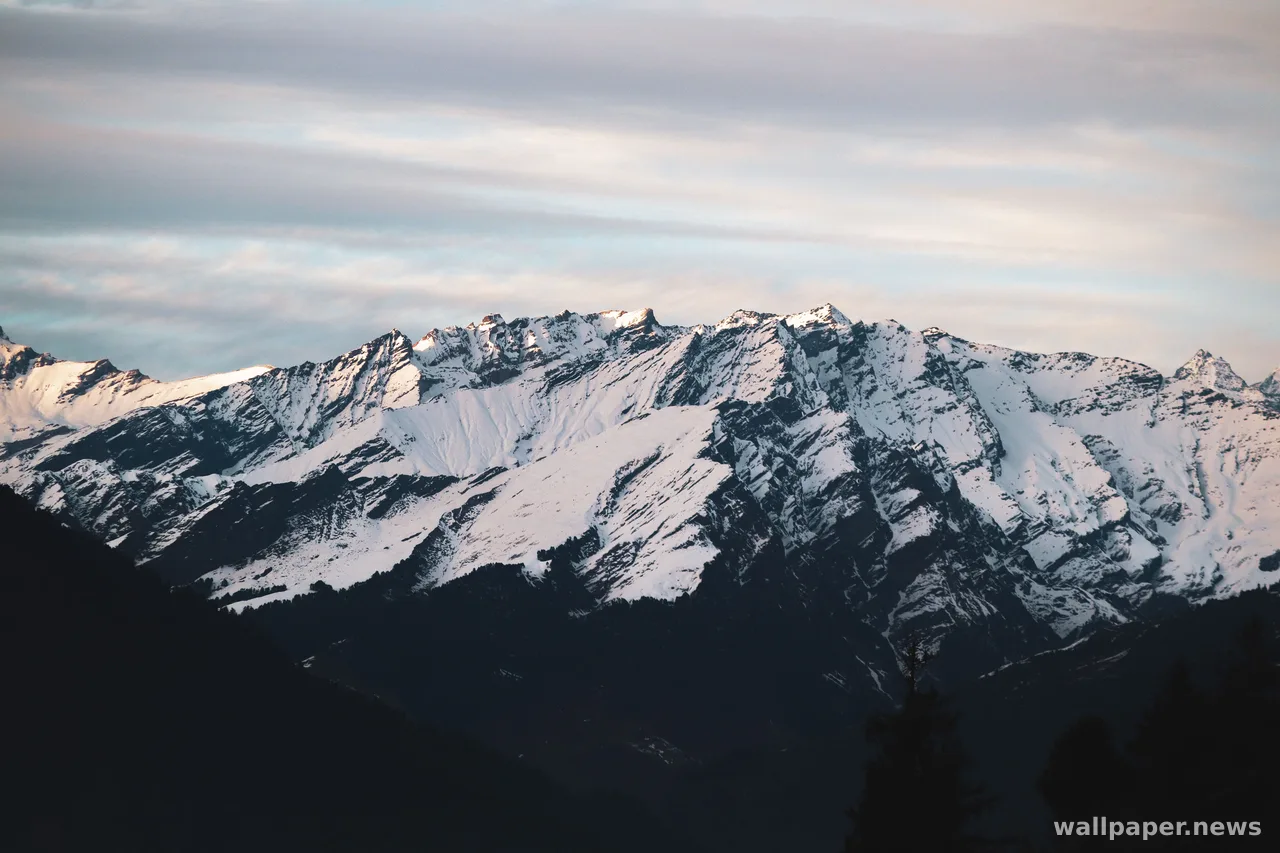
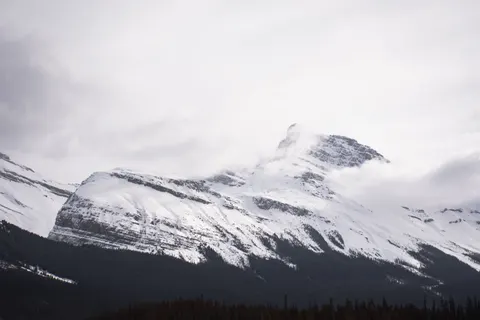
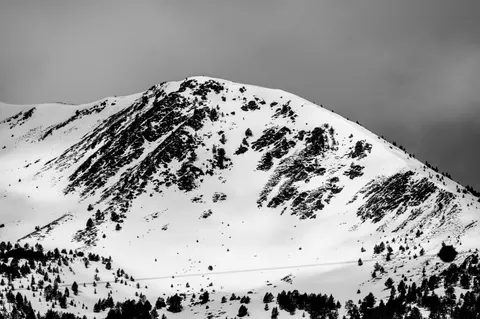
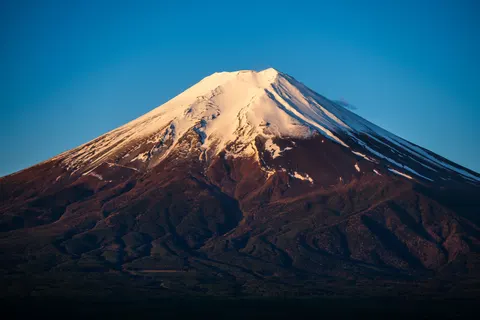
Stand on a high summit just after sunrise and look away from the sun. On the haze or cloud below, the mountain lays down a dark wedge that runs toward the horizon and ends in a sharp tip. Teide on Tenerife, Fuji and Sri Lanka's Adam's Peak are known for it, but almost any isolated peak standing above a layer of mist will do the same.
The neat shape has little to do with the mountain's outline. The shadow is a long tunnel of shade stretching tens of kilometres away from the sun, and like rails running into the distance, its sides appear to converge on a single point: the spot directly opposite the sun, which sits just above the horizon at dawn. A rounded dome and a jagged ridge both narrow toward that point, so seen from the top every one of them looks like a pyramid.
The effect does not last long. As the sun climbs, the antisolar point sinks below the horizon, and the wedge shortens and tilts down onto the land until it is only an ordinary shadow on the slope. On a screen it works best wide, with plenty of sky above the apex, so the long lines have room to meet.

In this collection